how to make something look expensive.
If you've ever tried to sell a personal item, you'll know that price and value aren't the same thing. Price is the number on the tag that someone else sees; value is what the item means to you and how you feel about it.
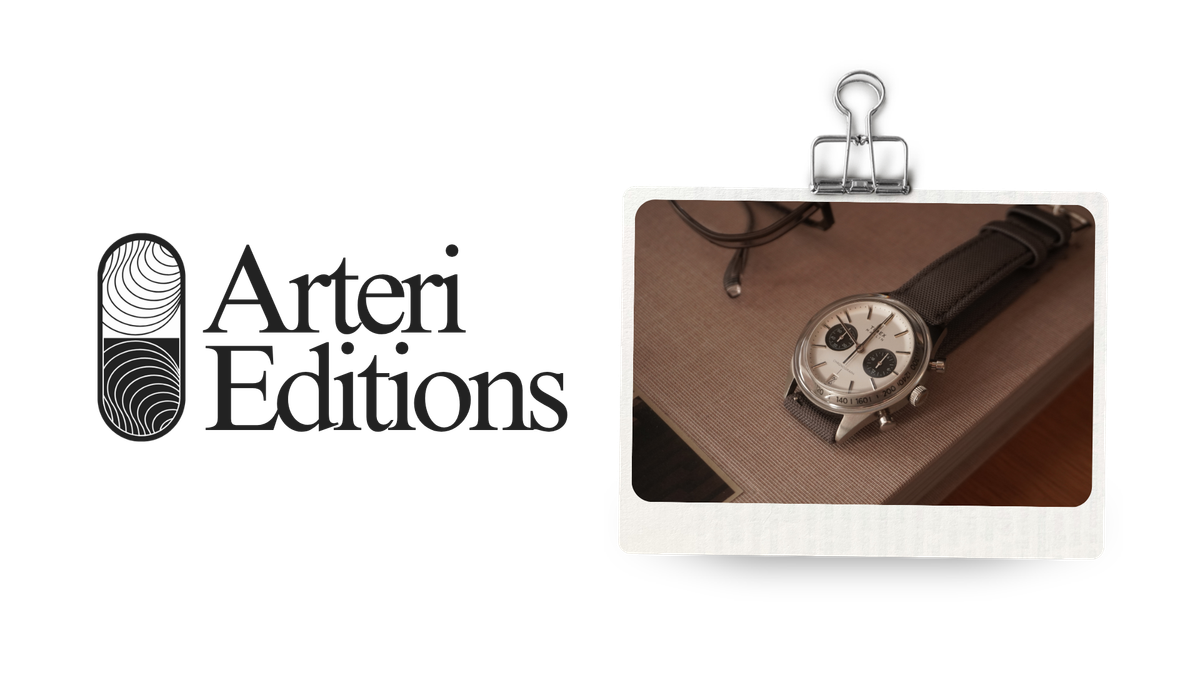
I recently received a Timex watch as a birthday gift and was quite surprised by just how premium it felt. The watch itself seems to draw a lot of aesthetic inspiration from much more expensive TAG Heuer chronographs, but does a surprisingly good job at it.
So... how? How do you make something look expensive without actually having to 10x the price? How do you make something look and feel... valuable?
Well, according to the world of design, these are some of the levers you can pull to make anything look & feel more expensive:
- Weight
Heavy items feel more durable and of higher quality, whereas light items often feel "hollow."
Fun fact: Premium phone case manufacturers often hide thin steel plates inside the cover material for no other reason than to influence how it sits in your palm. - Tolerance
This refers to how tightly different parts fit together. Cheap things wobble and tend to have wiggle room in the joints. Expensive things often feel much more seamless because everything clicks into place or feels tightly secured. - Materials
Nothing comes across as cheaper than one material trying to be another. For example, an acrylic surface with a fake wooden texture, or shiny plastic trying to mimic gleaming metal. It's often less about the cost of the material than it is about the honesty of it.
Real wood grain, brushed steel and stitched leather are all examples of materials that carry texture, which is very difficult to fake. - Finish
Overly glossy items often feel really cheap. Usually, a semigloss or matte finish gives off a much more premium feeling. For example, a matte finish on a wooden surface feels significantly more expensive than a glossy finish. In the case of metal materials, a brushed metal appearance is often incorporated to mimic this same effect. - Minimalism
This is particularly relevant in modern design, but cheap items often come across as "busy," whereas more premium items focus on just making a few key essentials look as good as possible.
A good example is Rimowa. They literally just make simple aluminum suitcases with their logo on top of them, but people go crazy for the design. - Sound
This is often an underrated point, but particularly when it comes to physical goods, something like the click of a good pen or the solid thud of a well-made car door says a lot about the product. Thin, tinny sounds read as cheap, whereas full, heavy and solid sounds are perceived as being of higher quality and more expensive.
So, the next time you look at something that seems expensive, try and see how many of these boxes are being ticked. And if you can find a product that manages to tick these boxes without attaching a huge price tag to it, even better ;)
See you next week,
Arteri ☕